
A Good Agreement
A good agreement is the foundation of a great project. Ask friends who have renovated or built a home what they wish they knew before they started - one topic that came to mind for me this week is the written agreement.
We all know it’s important; what does it take to get comfortable with the document well before construction starts?
When a renovation or new build is just an idea, a verbal ballpark is useful: “I’d like to renovate my kitchen. I have $40,000. What can we realistically do?” This is a great conversation to have with a builder. Don’t be afraid to have a direct conversation about money.
But a ballpark number is not a construction price.
Getting From Ballpark to a Real Price
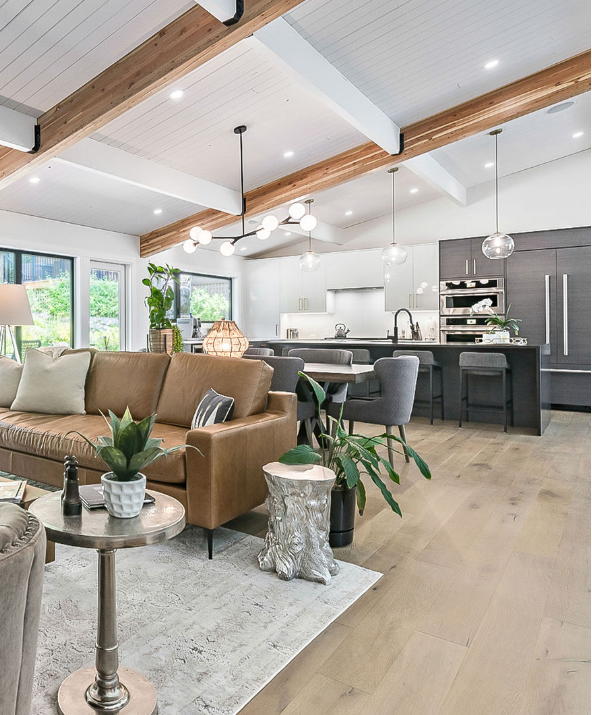
The process that takes a homeowner from a ballpark number to an agreement they’re happy with forces clarity. Before a builder can say what a project will cost, a surprising number of questions need answers:
What are we demolishing, what stays?
If we refinish the floors, what happens with the baseboards?
Which plumbing fixtures, lighting, tile, cabinets and flooring are we using?
Do we need permits? Who is responsible for them? What do permits cost?
What happens if we uncover asbestos, old wiring or plumbing, or unexpected site conditions?
Which drawings and selections make up the scope of work?
What happens when the homeowner decides to add work or change something during construction?
Even a ‘small’ renovation involves a silly number of decisions; layouts, fixtures, finishes, cabinetry, flooring, lighting, hardware … there’s a part of the planning phase when the list feels endless. It’s time well spent, because the more decisions we make during design and planning, the fewer surprises and delays there are during construction.
A Clear Scope of Work
The purpose of the planning phase is to arrive at a clear Scope of Work (SOW) and the renovation or new build’s price. Think of scope of work as a set of instructions - if two different people followed these instructions, would they arrive at the same result?
A good scope of work removes assumptions from the project.
Builders are under pressure during planning to massage real world costs down to fit a hoped-for number. It’s tempting, but it’s not smart because it establishes unrealistic expectations and causes headaches later.
A better planning process is transparent - the builder defines what each line item costs in the real world, the homeowner decides what’s in and what’s out, and the homeowner arrives at a price that works for them. Sometimes that means changing a finish, adjusting the scope, or deciding that one part of the renovation or build can wait - all decisions better made before construction starts.
What About Changes?
Changes during construction aren’t unusual. We’ve seen asbestos, old wiring or plumbing, even in a new build there can be unanticipated soil conditions, to name just a few circumstances that are in neither the homeowner’s or builder’s control.
Most commonly, the homeowner would really like to add something to the original scope. A straightforward change order process is the same as in the planning phase, except it happens during construction - the builder prices the additional work in both money and time, it’s up to the homeowner to approve the additional cost and time, and the change order becomes part of the agreement.
Get it in Writing
A good agreement is not mysterious; it uses plain language to say what is being built and what it will cost. That shared understanding protects everyone’s time and resources, and is the foundation of a good working relationship between homeowner and builder.
A helpful resource is the Canadian Home Builders’ Guide ‘Contracts: Get It in Writing’, and your builder can share a sample agreement and warranty so you can see what they look like.
The first step doesn’t require hours of planning …
The first step is either a phone call or a ½ hour site walk-through where you ask your early questions, talk budget, get some design and layout ideas to consider, and most of all, find out if this builder is someone you’d enjoy working with.
Happy planning!